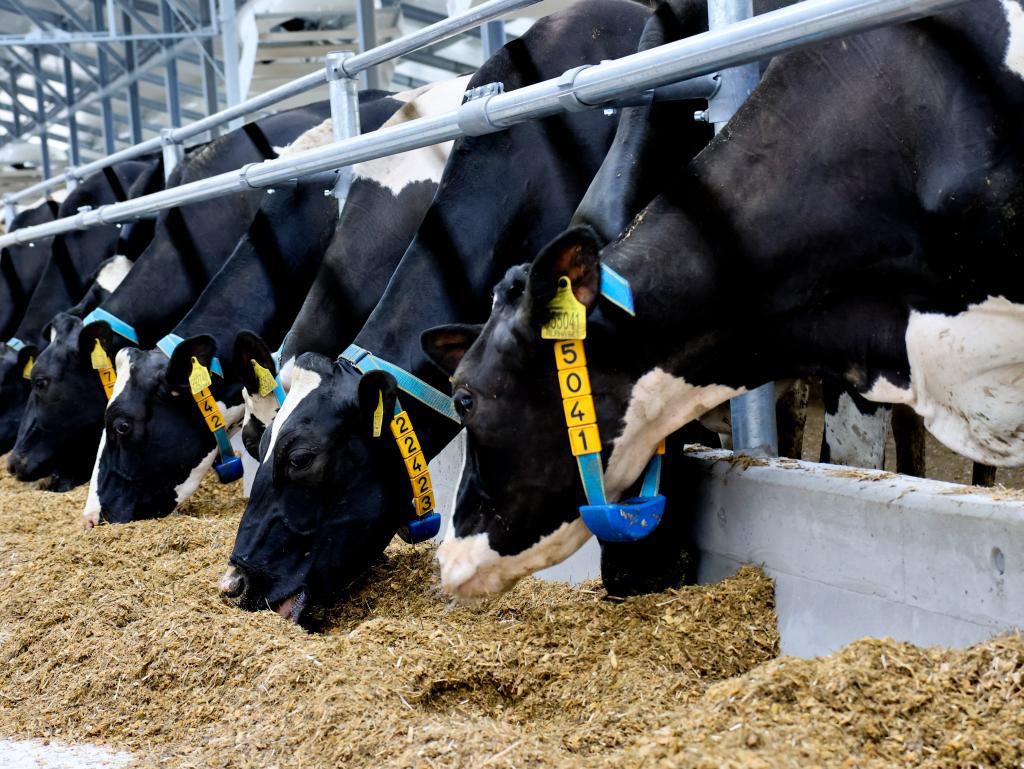
In recent years, we have been hearing more and more about animal welfare – that is, about ensuring that farm animals are treated as well as possible and live in dignity. Cattle welfare is not just a technical term from the farming lexicon, but an issue that affects us all. The quality of life of cows directly affects not only their health and welfare, but also the quality of the milk and meat we consume.
What does animal welfare mean
Animal welfare involves meeting basic needs, such as sufficient high-quality feed and water, suitable housing and a hygienic environment, as well as psychological and social needs. Cows are naturally social animals that need space to move around and interact with others. If these needs are neglected, the animals suffer from stress, which can lead to more frequent illness and reduced production.
A good breeder knows that the key lies in striking a balance between the animals’ physical and mental needs. High-quality feed and access to fresh water are a given. Equally important are regular hygiene, a clean environment and the elimination of stress when handling animals.
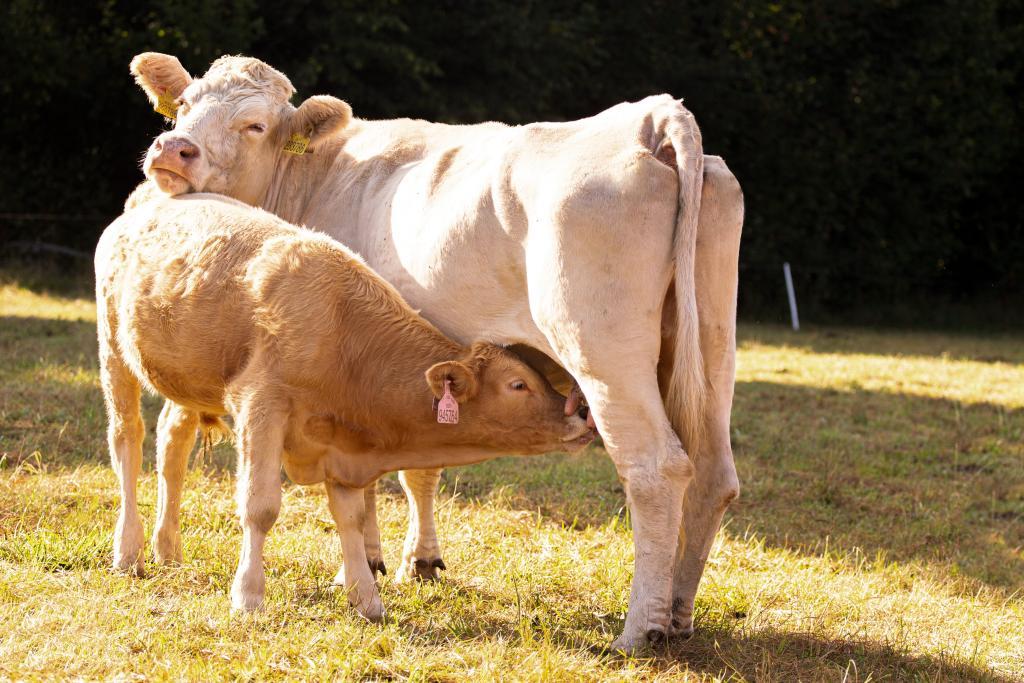
Dairy cows spend only as much time as is necessary in their winter quarters. Here, they are provided with plenty of space, dry bedding, water and high-quality feed. However, they spend most of their lives on pastures with plenty of grass and constant access to water. Calves spend time with their mothers until late autumn. The animals in our fattening units come from our own farms, meaning they are reared on open pastures.
Where is the future heading?
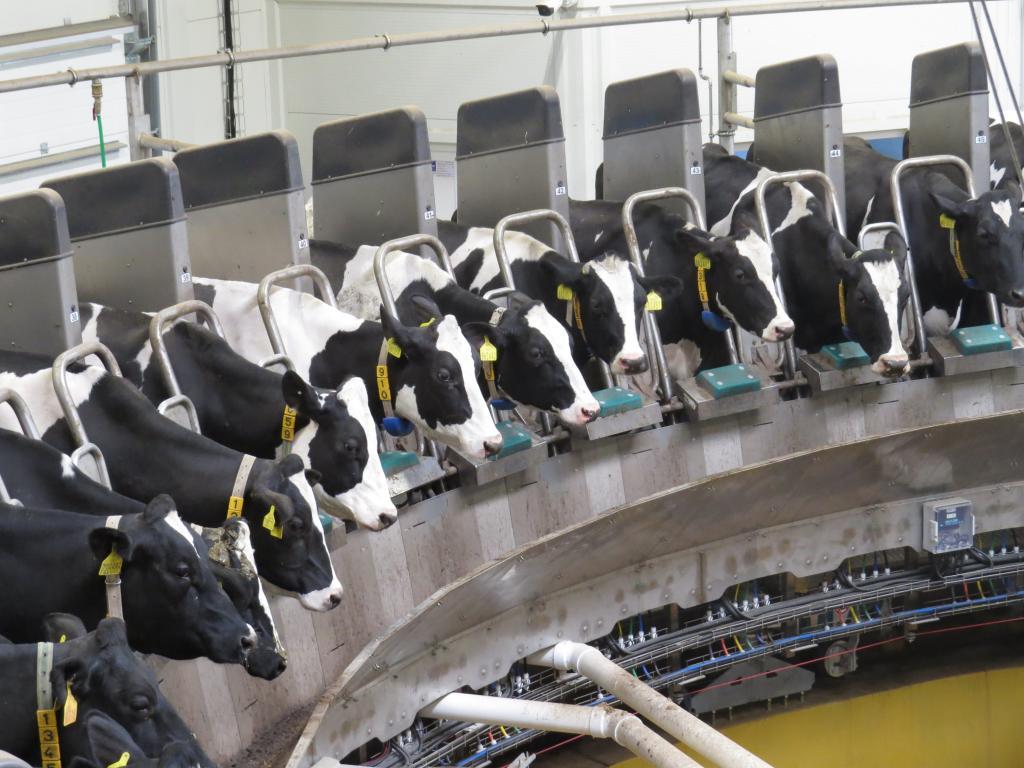
Modern technology helps farmers monitor their animals’ behaviour and health. Sensors attached to the neck or in the ear of animals can measure the cows’ activity, feed intake or temperature. By analysing group data, we can identify any issues with the feed and prevent potential problems. Special cameras equipped with analysis software can identify animals with limb problems and initiate corrective measures or treatment at an early stage. Robotic milking has been around for several decades, but in recent years it has seen a boom on farms. The main reason for adopting robotic milking is often a shortage of labour, but it also brings a number of benefits in terms of animal welfare. The milking procedure is always the same, and the cows are used to the routine. At the same time, milking is always quiet, gentle and hygienic.
And AGROFERT's farms are keeping up with the latest trends. Today, 85% of our cows wear smart collars around their necks, and 25% of our dairy cows are milked by robots without any human intervention.
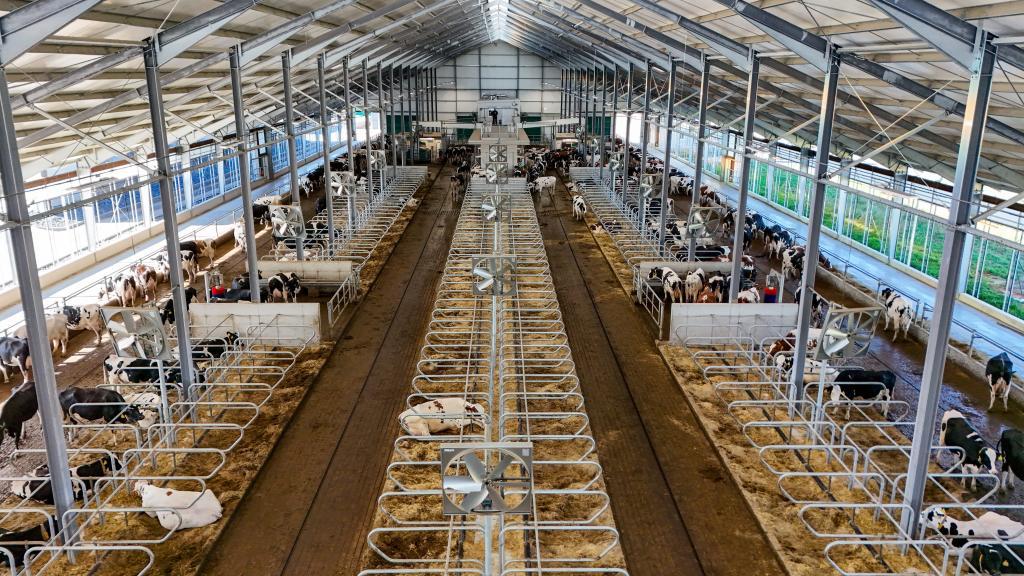
Every year, we invest hundreds of millions of crowns in the development of our farms. Animal welfare is always our top priority. We build airy, bright and spacious barns where every dairy cow has her own space to rest, constant access to high-quality feed and water, and room to socialise. These barns are many times larger than current legal requirements and are designed in line with the latest global trends in dairy farming. The stables are designed or adapted in such a way that the animals can be handled humanely and safely, taking their natural behaviour into account. This helps us avoid potentially stressful situations for both the animal and the carer.
In recent years, we have been investing heavily in new milking technologies, whether fully automated systems or modern milking parlours, which ensure gentle, stress-free and hygienic milking. At the same time, we are also investing in smart technologies, such as sensors fitted to animals, which help to prevent health problems or detect them early so that the animal can be treated.
However, these investments are not only important for the animals themselves. We are aware that new, modern or refurbished facilities are also a more attractive place for our staff. This is crucial in today’s climate of staff shortages, as the quality of the staff is directly reflected in the quality of the care provided to the animals.
Examples that speak for themselves
In 2025, we opened several new cattle sheds, thereby reaffirming our commitment to modern cattle farming and ensuring a high standard of animal welfare.
The company ZEMOS, a.s. has successfully opened a new production facility for 600 dairy cows and a modern side-by-side milking parlour, including staff facilities.
At the company AGRO Jevišovice, a.s. a new barn for 400 dairy cows has been brought into operation; the cows were moved from unsuitable housing that did not meet current standards.
By the end of the summer, VSV, a.s. will launch a robotic milking parlour for 240 dairy cows, whilst construction of the second phase for an additional 100 animals is continuing.
Two robotic milking parlours are currently under construction at the companies Lužanská zemědělská, a.s. and Oseva Agri Chrudim, a.s., with a total capacity of 800 dairy cows.
Several other projects are currently in the preparatory phase – whether in the form of preliminary studies or project work – with the aim of improving breeding standards. The aim of each of these is to increase the productivity of dairy cows whilst ensuring their maximum comfort and health. Where possible, we are increasing our herd size to boost milk production not only per cow but also across the entire farm.
Depending on the size of the farm and local labour market conditions, we choose the most suitable milking method (manual milking parlours or robotic milking).
Is it worth investing in animal welfare?
Animals that live in harmony with their natural needs are healthier, calmer and more productive. There is no other way to achieve high productivity than by respecting the animals’ natural needs. At the same time, there is no other way to ensure that our products are recognised and appreciated by consumers.
Welfare is therefore not just an ethical issue, but also an economic benefit!